COMMO SMART TAGS
Type
Concept Development
Company
Yandex
Team
(AD) Maria Brish
(AD) Galina Sholokhova
(CP) Anna Kraynova
(CP) Darya Tanzharikova
(CG) Andrey Tupikin
(PM) Askar Chalbasov
(LPM) Dmitry Rymar
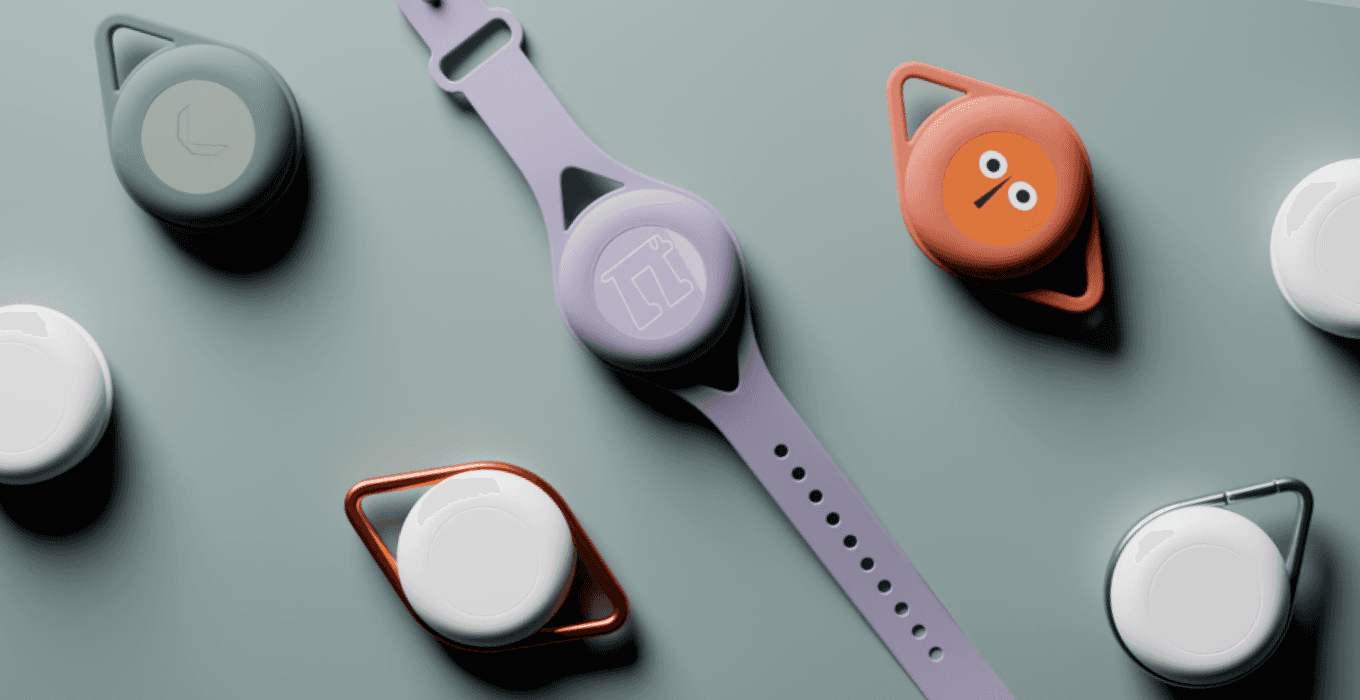
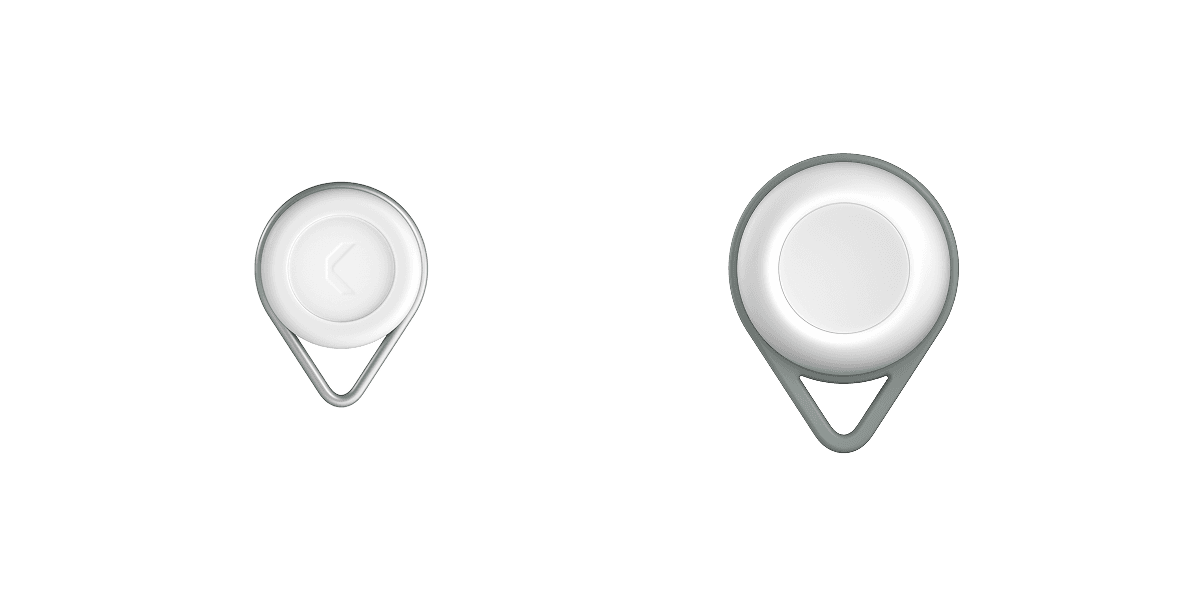
Smart Tags is an experimental concept exploring project of smart trackers in two sizes for different everyday scenarios. The compact Bluetooth tag (Blick) is designed for keys and small personal items, while a larger version (Luch) is aimed at use cases where more reliable tracking matters. Both variants share one system language, but scale in function and presence.
IDEA
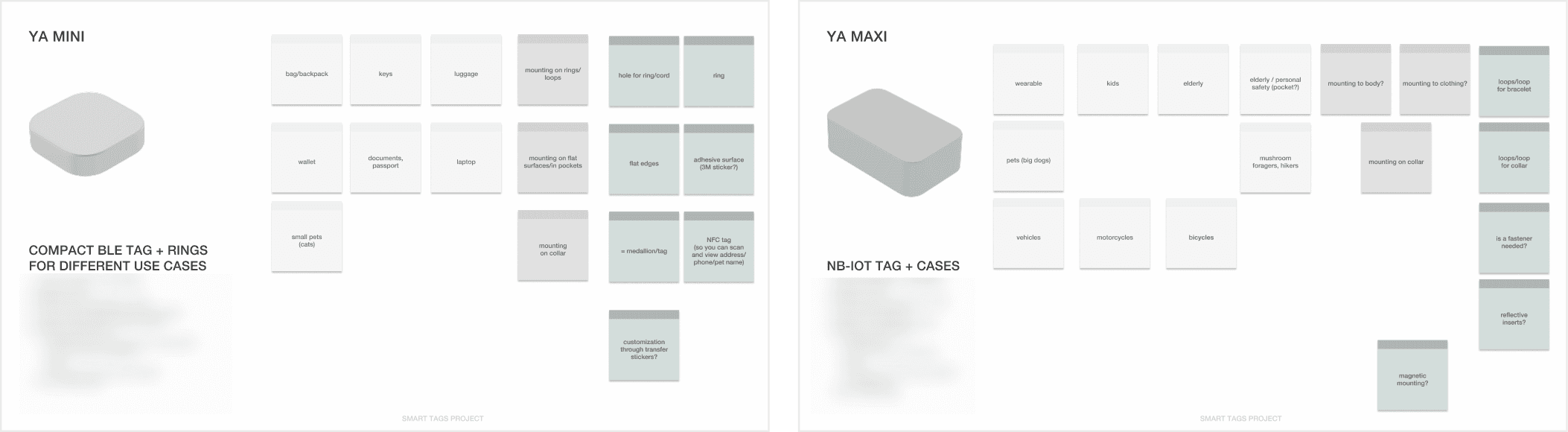
The research covered a wide range of user groups — parents, pet owners, people caring for elderly relatives, anyone who's lost something important. Each group brought different attachment scenarios, different levels of urgency, different expectations from the object itself. What became clear early on was that no single form factor or attachment type could serve all of them. The design needed to adapt without fragmenting into separate products.



PROCESS
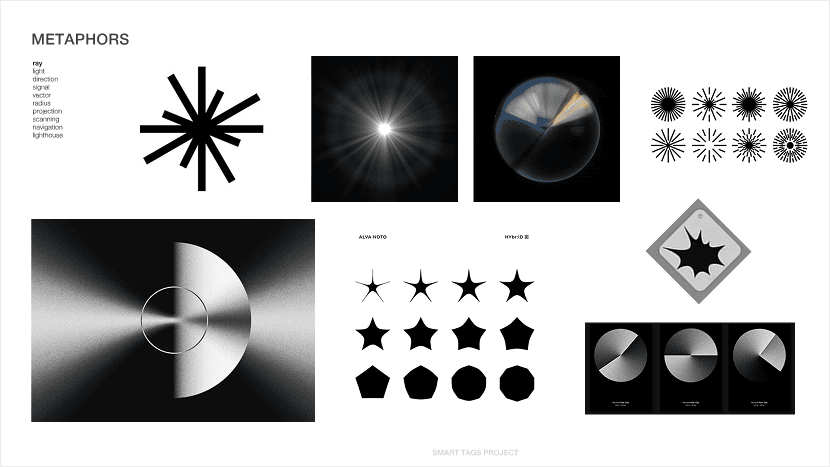
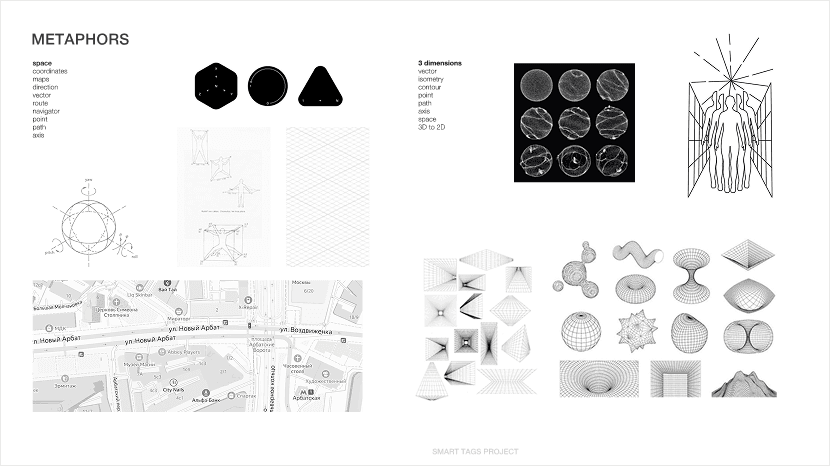
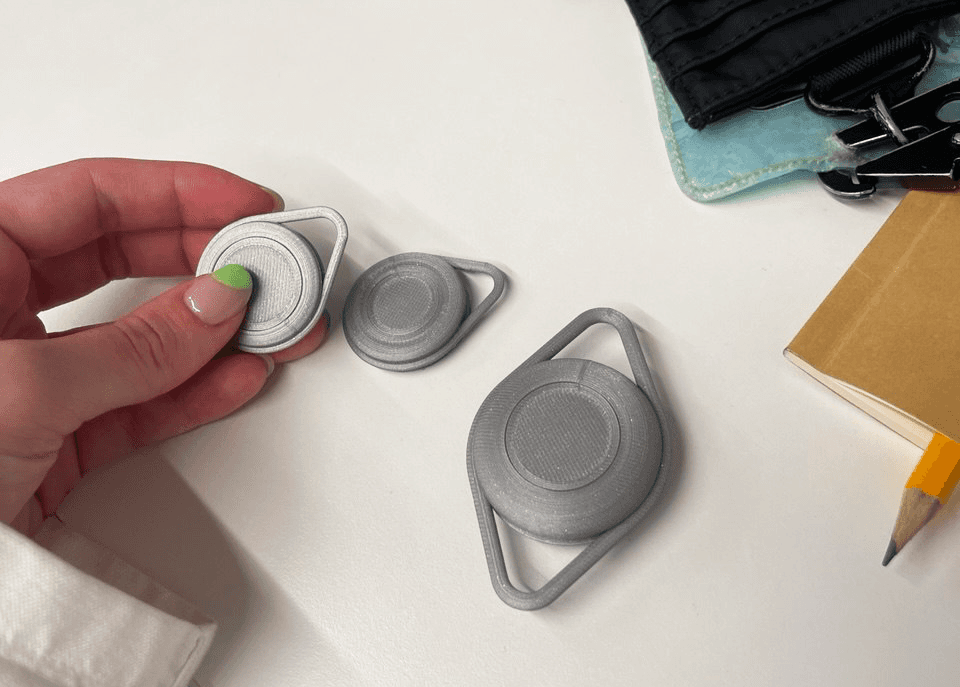
The work started with metaphors — space, coordinates, maps, vectors on one side; light, ray, scanning, projection on the other. Those references shaped the formal direction before the names even existed. The names came later: Blick (a glare, a point, a coordinate) and Luch (a ray, a signal, a beam). From there the work moved through different architectures, attachment principles, and assembly options, tested in 3D and physical prototypes.
The solution came from the core: a central body to which different attachment types connect depending on the use case — loops, rings, pendants, straps. That modularity also opened up personalization — interchangeable attachments in a range of colors, with the option to insert a custom card or disc inside the body.

OUTCOME
A modular tracker system with a coherent design language across both formats. To test the concept before committing to full development, a landing page was launched to measure real audience demand. The hypothesis was confirmed — the concept resonated across user groups, and the project was greenlit for launch.